
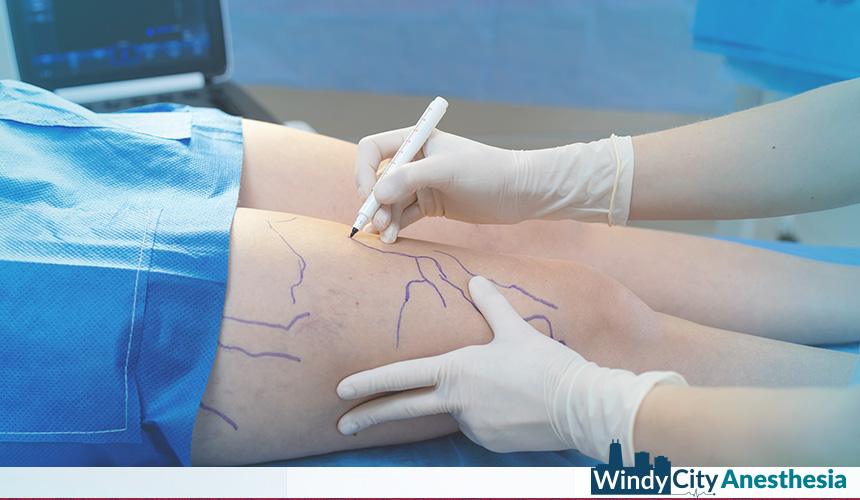
Office Sedation for Vein Clinics: Increase Revenue and Efficiency Without Hospital Dependency
The way Vein Clinicss operate is changing. More specialists are adopting In-Office Sedation for Vein Clinics as a strategy to optimize operations, improve clinical outcomes, and scale their practice without the friction of relying on hospitals.
This model integrates anesthesia services directly into the clinic, giving practices full control over scheduling, procedures, and growth.
Greater operational control and scalability
One of the main bottlenecks for Vein Clinicss is hospital logistics: operating room availability, scheduling delays, and coordination with third parties.
With In-Office Sedation for Vein Clinics, your clinic can:
- Control its schedule without external restrictions
- Reduce downtime between procedures
- Increase daily patient capacity
The result is a more efficient operation that’s ready to scale.
Direct impact on revenue and productivity
Integrating in-office anesthesia is not just an operational upgrade, it’s a strategic decision.
By implementing In-Office Sedation for Vein Clinics:
- Procedure volume increases
- Hospital-related costs are reduced
- Margins per patient improve
The outcome is clear: higher productivity using the same infrastructure.
Clinical differentiation and patient experience
Today, patient experience plays a major role in clinic growth. Faster procedures in a controlled, familiar environment build trust and improve perceived outcomes.
It also positions your clinic as a modern, efficient, patient-centered practice.
Safety and compliance: non-negotiable
The success of In-Office Sedation for Vein Clinics depends on working with a specialized provider that ensures:
- Strict clinical protocols
- Certified anesthesia professionals
- Proper equipment and regulatory compliance
This guarantees efficiency without compromising patient safety.
Our coverage
At Windy City Anesthesia, we are leaders in office-based anesthesia, providing services across:
Illinois, Wisconsin, Iowa, Nebraska, Missouri, Indiana, Michigan, and Florida.
We integrate seamlessly into your clinic’s operations to help improve efficiency, safety, and clinical outcomes, without disruption.
Adopting In-Office Sedation for Vein Clinics is a strategic move for clinics looking to grow without relying on third parties, improve profitability, and deliver a superior patient experience.
At Windy City Anesthesia, we help Vein Clinicss integrate office-based anesthesia safely, efficiently, and profitably.
Schedule a call with us and discover how to take your practice to the next level by clicking here
FAQs
What clinical and regulatory requirements are needed to implement In- Office Sedation for Vein Clinics?
Requirements vary by state but generally include staff certifications, patient monitoring protocols, specific equipment, and compliance with local healthcare regulations. Working with a specialized provider simplifies this process.
How does In-Office Sedation for Vein Clinics impact productivity in a Vein Clinics?
It increases the number of procedures per day by eliminating hospital scheduling delays, optimizing workflow, and reducing cancellations, significantly improving operational efficiency.
How can in-office anesthesia be integrated without disrupting a clinic’s workflow?
The key is a structured, frictionless integration. In practice, this means working with a provider that adapts to your clinic, not the other way around.
It starts with evaluating your current patient flow and procedures to identify optimization opportunities. From there, clear sedation protocols, procedure timing, and coordination with your medical team are established.
The anesthesia provider brings the necessary staff, equipment, and monitoring, aligning with your clinic’s schedule to avoid interruptions. This allows procedures to run smoothly while maintaining, or even increasing, productivity from the first weeks.
When properly implemented, it doesn’t add operational burden, it enhances efficiency, control, and overall clinical performance.


